How to Plan the Perfect First Look (Without the Stress)
A first look is one of those moments that can completely change the tone of your wedding day. Whether you’re doing it with your soon-to-be spouse, your dad, or even your bridal party, it’s often one of the most emotional, joy-filled parts of the day.
But while the moment itself feels spontaneous and magical, a smooth first look actually takes a little planning behind the scenes. As a photographer who’s been part of countless wedding mornings, here are my best tips to help you plan your first look, from choosing the right time and location to keeping guests out of sight.
First Look Wedding Planning Tips:
1. Choose a Quiet, Private Location
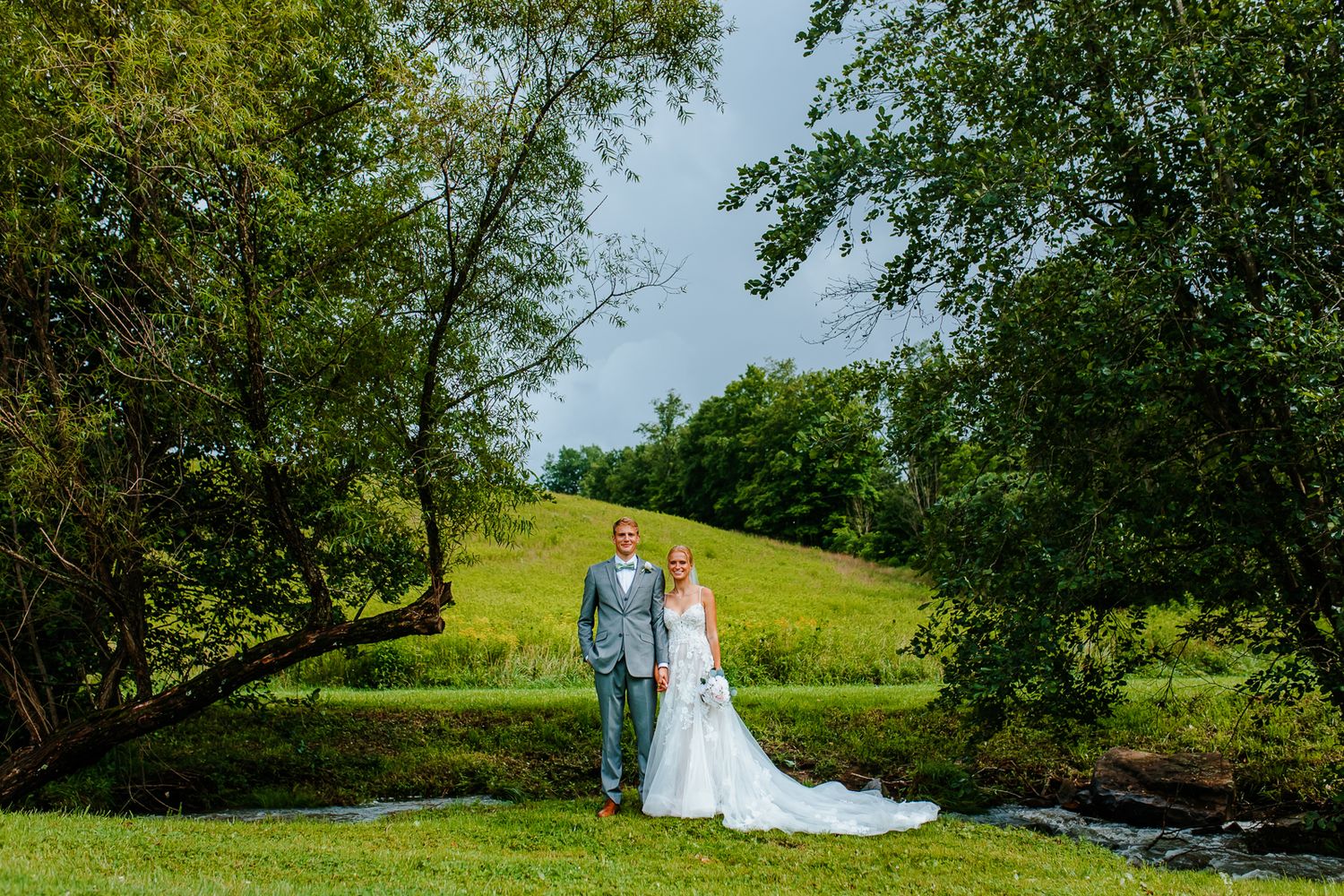
Your first look deserves privacy. You’ll want a spot where you can both relax, breathe, and forget that anyone else exists for a few minutes. The key is choosing somewhere that feels secluded but still photographically beautiful. Think a tucked-away garden, the back side of your venue, or a quiet grove of trees.
If your ceremony and reception are in the same place, talk with your photographer about the best private corner for the first look. If you’re getting ready at different locations, consider meeting at your venue before guests start arriving. Just make sure to leave enough time for travel, and plan to have your photographer arrive early to scout the light and clear the space.
2. Consider the Season and the Sun
Lighting can make or break your first look photos, so it’s worth considering where the sun will be during that part of the day.
- Summer weddings: The light is strongest in the early afternoon, so try to plan your first look closer to late morning or early evening for softer light.
- Fall weddings: The sun sets earlier than you think (especially after daylight savings ends) so make sure your first look happens at least two hours before sunset.
- Winter weddings: Daylight can disappear fast! If your ceremony is later in the day, a first look is often essential for getting outdoor portraits before it gets dark.
- Spring weddings: Be prepared for unpredictability. Overcast skies can be your best friend for soft, romantic light.
Your photographer should help you choose the exact spot and timing to get the best possible light. It’s one of the perks of working with someone who’s experienced in natural light photography.
3. Plan for Logistics If You’re Getting Ready Separately
If you and your partner are getting ready at different locations, build in a little extra time for transportation and coordination. Have a plan for how each of you will arrive at the first look spot without accidentally seeing each other too soon.
Many couples designate a “point person” for this. A trusted friend, family member, or member of the bridal party to help guide one of you to the right spot while the other waits. If you don’t have a wedding coordinator, your photographer can often help orchestrate this part, but having an extra set of hands always helps keep things smooth and stress-free.
4. Keep Guests Out of Sight
As much as everyone loves a sneak peek, guests wandering into your first look space can ruin the privacy of the moment. If you’re hosting your wedding at a venue where guests might arrive early, make sure someone (your point person, a bridesmaid, or a family member) helps the photographer keep the area clear.
This ensures you get that uninterrupted moment together and lets your photographer focus on capturing genuine reactions without distraction.
5. Decide Who You Want There (and Who You Don’t)
Some couples love having their bridal party or parents nearby to watch from a distance. Others want it to be just the two of them (plus their photographer). There’s no right or wrong answer; it’s all about what feels most natural to you.
If you do want your closest people there, your photographer can position them so they can quietly watch without being in the background of your photos. If you’d rather keep it private, make sure everyone knows ahead of time so they don’t accidentally wander over at the wrong moment.
6. Communicate Your Vision
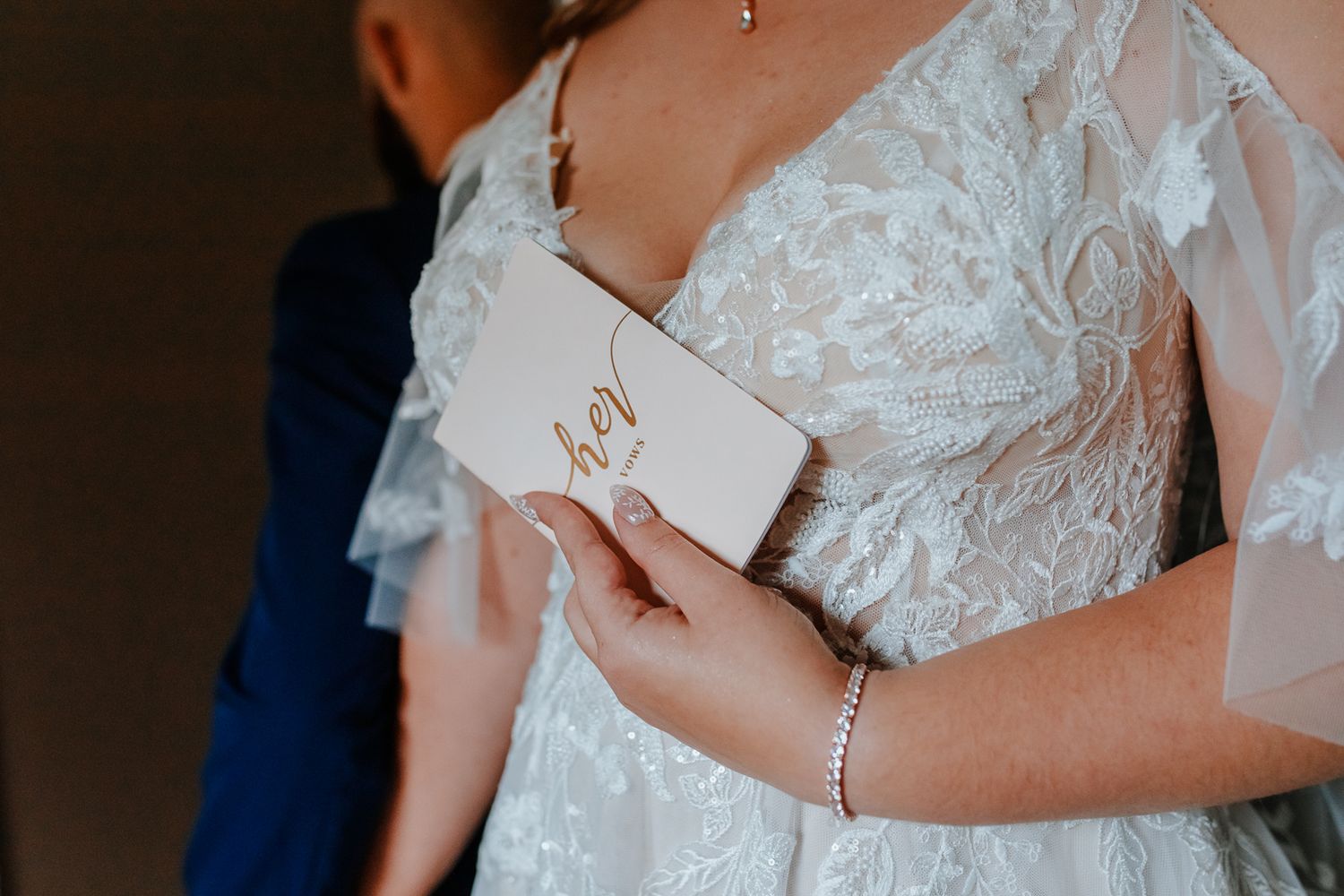
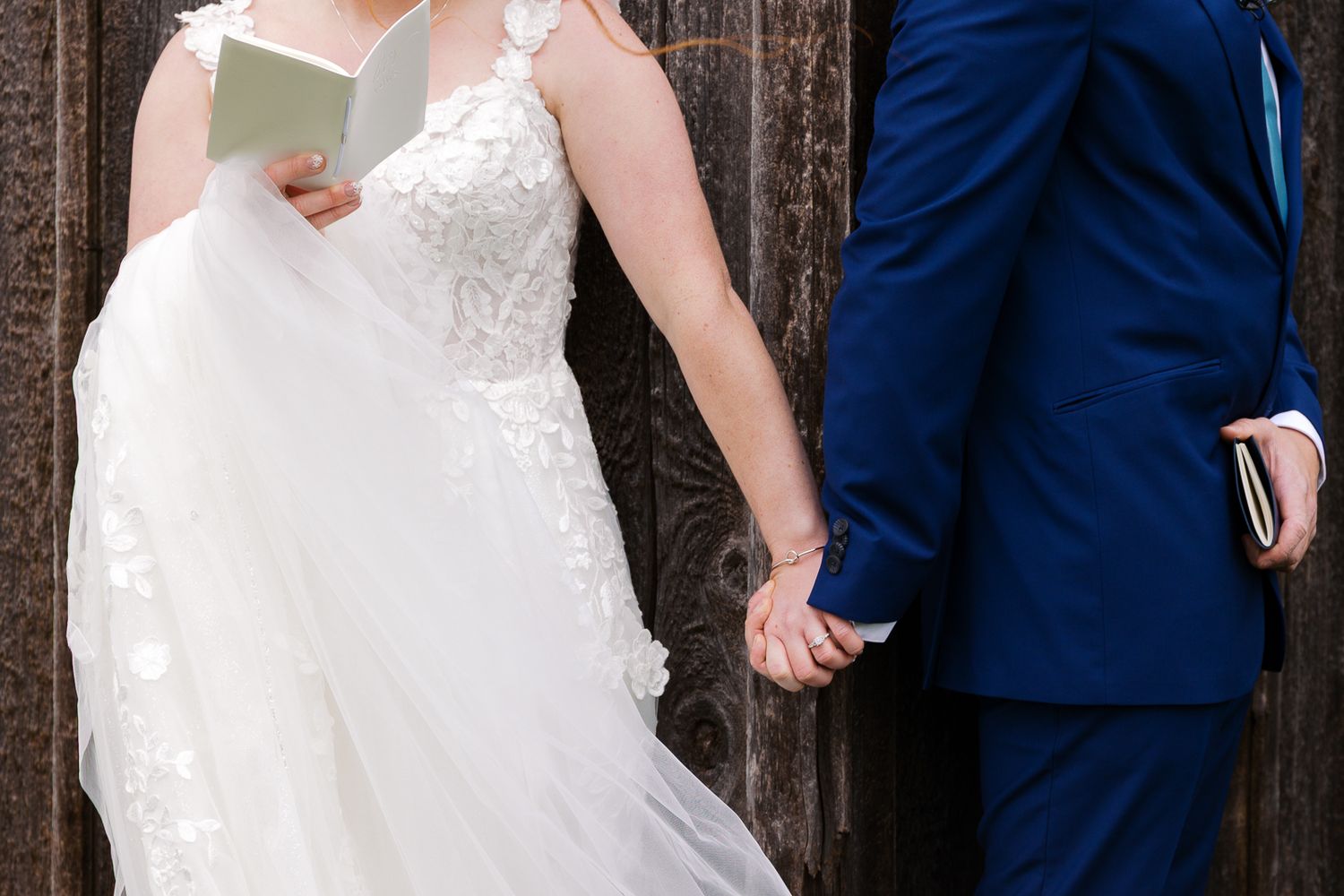
Before the wedding day, talk to your photographer about how you’d like the moment to unfold. Do you want to walk up and tap your partner’s shoulder? Do you want to read letters before turning around? Would you rather stand back-to-back for a “first touch” before seeing each other?
You don’t need to plan every second, but sharing your preferences helps your photographer position you, adjust lighting, and make sure everything goes smoothly while still feeling natural.
7. Build In Buffer Time
This is the simplest but most important tip: don’t rush it. Add an extra 10–15 minutes into your timeline for the first look. That gives you time to breathe, enjoy the moment, and take a few portraits afterward before moving on to bridal party or family photos.
If things run ahead of schedule (which rarely happens on a wedding day!), you’ll just have a few extra minutes to relax together.
8. Stay Present
Once the moment starts, forget about the camera, the timeline, or what’s next. Take in the way your partner looks at you, the sound of the trees, the fact that you’re finally standing together on your wedding day. Those little details are what you’ll remember years later—and they’re exactly what your photographer is there to capture.
Final Thoughts
Your first look should feel natural, relaxed, and true to who you are as a couple. Whether you’re planning something private and emotional or lighthearted and fun, the key is preparation. A little thought ahead of time (like choosing the right light, communicating with your photographer, and keeping the space distraction-free) goes a long way toward creating photos that actually feel like the moment.
If you’re planning your wedding in Western Pennsylvania or north of Pittsburgh, a first look can be the perfect way to slow down, connect, and set the tone for a stress-free wedding day, especially in our winter months when it gets dark early. And when you have a photographer who knows how to plan for the light, manage the timeline, and keep things calm, you can truly enjoy it all as it unfolds.